Northern Argentina: Salta & Quebrada de Humahuaca
Northwestern Argentina does not need to try to impress. It has fourteen-color mountains, adobe villages unchanged for 400 years, the best empanada in the country, and the same silence Patagonia offers — without the cold.
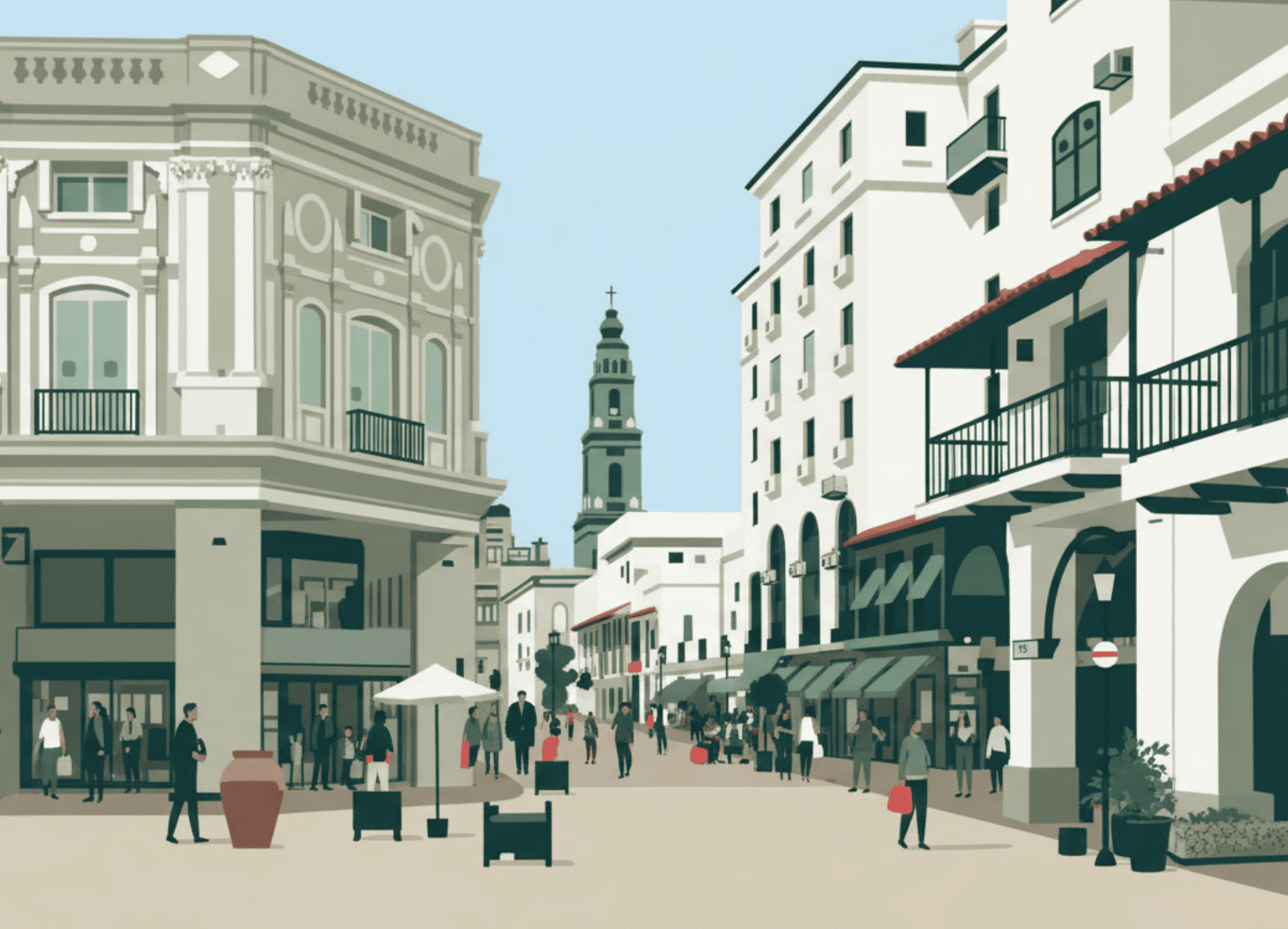
A 1930s mansion in Salta's historic center turned into an eleven-room boutique hotel — each suite named after a figure from Argentine history. Library with leather armchairs, jasmine-filled inner courtyard, pillow menu and a buffet breakfast with artisanal yogurt. Just 500 meters from Plaza 9 de Julio, away from street noise. Estimated price: $160–300 USD/night.
✦1930s mansion with characterA garden-and-pool boutique in Tilcara, the village in the Quebrada de Humahuaca at 2,461 meters above sea level. Buffet breakfast included, terrace with views of the multicolored hill, and a more intimate scale than any chain. Four blocks from the main square. Estimated price: $120–200 USD/night.
✦Gardens and a pool in the QuebradaThe top-rated hotel in Tilcara four years running — number 1 on TripAdvisor out of 21 options — set in a house built with local stone and wood. Twelve rooms with private terrace, panoramic views of the multicolored hills, spa with hydromassage, seasonal outdoor pool and a restaurant with an Andean menu. Three blocks from Tilcara's main square. Estimated price: $150–200 USD/night.
✦Views, spa and Andean cuisineSalta's torrontés is the most representative white wine in Argentina — aromatic, floral and completely different from the torrontés grown in Galicia. The wineries of the Calchaquí Valleys (Cachi, Cafayate) offer tastings from $20–40 USD. The landscape of vineyards at 1,700 meters with orange-hued hills in the background is the trip's most convincing visual argument.
The train climbing from Salta to the La Polvorilla viaduct at 4,200 meters runs irregularly — check availability on the official site before building the itinerary around it. If it runs: one of the most spectacular railway journeys in South America.
The 155-kilometer stretch between Jujuy and Humahuaca was declared a UNESCO World Heritage Site in 2003. Purmamarca (the Seven-Color Hill), Tilcara (the Pucará and the crafts market), Humahuaca (the cabildo and the charango players on the square) and the Serranía de Hornocal (the Fourteen-Color Hill, 70 kilometers from Humahuaca) are the four stops that justify the detour north.
The Quebrada de Humahuaca has been continuously inhabited for 10,000 years. The Camino Real that runs through it — today Route 9 — was the main artery of the Inca Empire and later of Spanish colonial trade, connecting Alto Perú (today Bolivia) with Buenos Aires. The villages of the Quebrada speak Quechua before Spanish in everyday conversation between neighbors.
Turn this guide into a personalized AI itinerary — exact dates, travelers, and budget for your trip in 60 seconds.
Plan my trip →Martín Miguel de Güemes International Airport (SLA) in Salta, 9 kilometers from downtown. Direct flights from Buenos Aires (AEP/EZE) with Aerolíneas Argentinas, Flybondi and JetSMART in about 2 hours. From Mexico City or Santiago: connection in Buenos Aires.
The Quebrada de Humahuaca is best driven with a private driver or a rental car. Distances are manageable — Salta to Tilcara is 84 kilometers on Route 9. Private driver-transfer for the 4 days: $150–250 USD total for the group, the most efficient option for a group of friends.
Southern winter. Sunny, dry days at 15–20°C. Cold nights, especially in the Quebrada: 0–5°C. The June dry season is ideal for photography — no clouds, no rain, colors at their peak.